
Polyvion TDI 80/20 is a high-purity toluene diisocyanate monomer supplied as a clear, colorless to pale yellow liquid, consisting of a fixed 80:20 blend of the 2,4- and 2,6-isomers of toluene diisocyanate. As one of the two most widely produced aromatic diisocyanates in the global polyurethane industry, Polyvion TDI 80/20 serves as the core isocyanate building block for flexible slabstock and molded foam, and is also used as a raw material for manufacturing isocyanate-terminated prepolymers, elastomers, coatings, adhesives, and sealants.
Polyvion TDI 80/20 Overview
Polyvion TDI 80/20 is manufactured through the phosgenation of toluene diamine, yielding a consistent 80:20 ratio of 2,4-toluene diisocyanate to 2,6-toluene diisocyanate. This isomer ratio is tightly controlled during production because it directly influences the reactivity balance between the para- and ortho-positioned isocyanate groups, which in turn affects cure speed, cell structure development in foam, and the mechanical properties of the finished polyurethane article. Polyvion TDI 80/20 is produced to a high purity specification with low chlorine and acid impurity levels, supporting stable, reproducible reaction behavior across large-scale industrial processes.
Key Features
- Fixed 80:20 isomer ratio (2,4-TDI : 2,6-TDI) for consistent, predictable reactivity
- High TDI purity (≥99.5%) with low hydrolysable chlorine and acid content
- Low color (APHA ≤25) for light-colored and unpigmented foam and elastomer systems
- High and uniform isocyanate group content supporting precise stoichiometric formulation
- Versatile feedstock suitable for direct foam production or downstream prepolymer synthesis
Typical Applications
Polyvion TDI 80/20 is used principally in the manufacture of polyurethane flexible foams for furniture cushioning, bedding and mattresses, automotive seating and interior trim, and general cushioning and packaging applications. In these systems, Polyvion TDI 80/20 reacts with polyether or polyester polyols in the presence of water, catalysts, and surfactants to generate the carbon dioxide-blown cellular structure that gives flexible foam its characteristic softness and resilience.
Beyond flexible foam, Polyvion TDI 80/20 is also reacted with polyols under controlled conditions to produce isocyanate-terminated prepolymers used in cast elastomers, coatings, adhesives, and sealants. Because the 2,4- and 2,6-isomers have different steric environments around their respective isocyanate groups, formulators can exploit the reactivity difference between them to tailor prepolymer molecular weight distribution and free monomer content for specific end-use performance requirements.
Technical Specifications
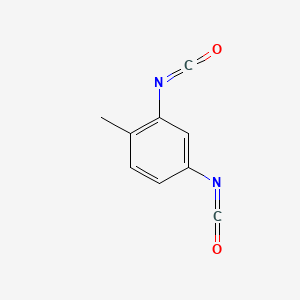
- Chemical Type: Toluene Diisocyanate (80:20 isomer mixture)
- CAS No.: 26471-62-5
- Appearance: Clear liquid, free of visible mechanical impurities
- 2,4-Isomer Content: 79.0-81.0%
- TDI Purity: ≥99.5%
- NCO Content: Approximately 48% (theoretical, based on toluene diisocyanate molecular weight)
- Color, APHA: ≤25
- Hydrolysable Chlorine: ≤100 ppm
- Acid Content (as HCl): ≤40 ppm
- Total Chlorine: ≤500 ppm
- Supply Form: Liquid
Handling & Reactivity
Polyvion TDI 80/20 is highly reactive toward compounds containing active hydrogen atoms, including water, alcohols, and amines. Contact with moisture generates carbon dioxide gas and insoluble polyurea byproducts, so containers, transfer lines, and mixing equipment must be kept rigorously dry throughout storage, transfer, and processing. Because the reaction with water can build up internal pressure in sealed containers, opened drums and totes should be purged with dry nitrogen and resealed promptly after each use.
Formulators working with Polyvion TDI 80/20 should also account for its relatively high vapor pressure compared to MDI-type isocyanates, which makes adequate local exhaust ventilation and personal protective equipment particularly important in production environments. Process equipment should be designed to minimize headspace and operator exposure, and standard industrial hygiene monitoring practices for isocyanates should be followed at all handling and dispensing points.
Storage Recommendations
Polyvion TDI 80/20 should be stored strictly sealed at room temperature between 18°C and 40°C in a well-ventilated area, protected from moisture ingress. Below approximately 15°C, the product will crystallize; if this occurs, the drum can be carefully reliquefied by warming to no more than 50°C, with contact surface temperatures never exceeding 80°C, since localized overheating can cause discoloration or off-specification byproducts. Because crystallization shifts the isomer ratio between the solid and liquid phases, any reliquefied material must be thoroughly homogenized before use to restore a uniform 80:20 isomer distribution. Under these recommended conditions, Polyvion TDI 80/20 carries a shelf life of approximately 12 months from the date of production.
Quality control for a monomeric isocyanate typically extends beyond the incoming certificate of analysis. Many processors periodically verify reactivity through simple index or NCO titration checks before large production runs, particularly after any period of storage at the lower end of the recommended temperature range where partial crystallization is more likely. Consistent isomer ratio and low impurity levels reduce batch-to-batch variability in foam rise time, cream time, and final cell structure, which is especially important for continuous slabstock lines where formulation adjustments are costly and time-consuming to implement mid-run. Maintaining traceable lot records alongside downstream processing data also helps formulators diagnose the root cause more quickly if an unexpected deviation in foam or elastomer properties is observed.
Packaging & Transport
Polyvion TDI 80/20 is available in 210 kg (210 L) steel drums as well as bulk insulated tank lorry and ISO tank container shipments for larger-volume customers. All packaging is designed to maintain a dry, nitrogen-protected headspace throughout transport and warehousing, minimizing the risk of moisture contamination before the product reaches the customer’s production line. Customers requiring alternative pack sizes or dedicated bulk logistics arrangements are encouraged to contact our sales team to discuss project-specific supply options.
Polyvion TDI 80/20: Safety & Handling
As an aromatic diisocyanate monomer, Polyvion TDI 80/20 requires strict adherence to established isocyanate handling protocols, including the use of appropriate respiratory protection, chemical-resistant gloves, and eye protection in any setting where vapor or mist exposure is possible. Facilities using Polyvion TDI 80/20 should maintain effective local exhaust ventilation at charging points, transfer stations, and reactor vents, and should implement regular atmospheric monitoring consistent with applicable occupational exposure limits for toluene diisocyanate.
Formulators transitioning from a prepolymer-based isocyanate component, such as Polyvion ISO-M 13 or Polyvion ISO-AR 15, to a monomeric isocyanate such as Polyvion TDI 80/20 should note the significant differences in vapor pressure, free monomer content, and handling requirements between these product types, and should update their risk assessments and engineering controls accordingly. Operators should always review the current Safety Data Sheet before handling Polyvion TDI 80/20 for the first time.