
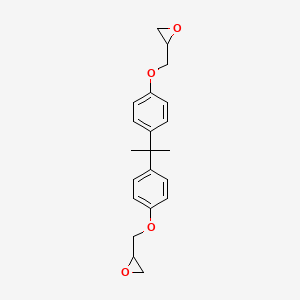
Epovion BPA-L 17E is a low-viscosity, undiluted liquid bisphenol-A diglycidyl ether (DGEBA) epoxy resin produced from bisphenol-A and epichlorohydrin. Compared with standard bisphenol-A liquid epoxy resins, it offers lower viscosity for easier processing and flow while delivering similar mechanical strength, chemical resistance, and heat resistance after curing with polyamine or polyamide hardeners.
Epovion BPA-L 17E Overview
Epovion BPA-L 17E belongs to the low-viscosity segment of standard bisphenol-A liquid epoxy resins. Produced by reacting bisphenol-A with epichlorohydrin, it is supplied undiluted with a lower epoxide equivalent weight and reduced viscosity relative to conventional BPA-L 17 grades, giving formulators faster wet-out and easier processing without sacrificing cured performance.
Because hydrolyzable chlorine content is tightly controlled, Epovion BPA-L 17E is also well suited to electrical and electronic applications where low ionic content affects long-term insulation performance and reliability.
Key Features
- Low viscosity for easier processing: Viscosity of 8,000-11,000 cps at 25°C provides improved flow and faster impregnation compared with standard bisphenol-A liquid epoxy resins.
- Low epoxide equivalent weight: EEW of 176-184 g/eq supports higher crosslink density and strong mechanical performance once cured.
- Low hydrolyzable chlorine: Maximum 1,000 ppm hydrolyzable chlorine makes the resin suitable for electronic and electrical encapsulation applications sensitive to ionic content.
- Excellent mechanical strength: Cured films and castings deliver strong mechanical performance along with good chemical resistance and excellent heat resistance.
- Broad curing agent compatibility: Compatible with common polyamine and polyamide curing agents for general-purpose and electronic epoxy systems.
Typical Applications
Epovion BPA-L 17E is primarily used in laminates and filament winding, where its lower viscosity supports fast fiber wet-out and consistent mechanical performance in composite structures. It is also widely applied in encapsulation and potting, where its low hydrolyzable chlorine content provides reliable electrical insulation and protection for electronic components.
Beyond composites and encapsulation, the resin is suitable for civil engineering formulations, tooling, and industrial adhesive systems, where its lower viscosity and broad curing agent compatibility make it a dependable choice when faster processing is needed. For applications where standard viscosity is preferred, formulators may wish to evaluate Epovion BPA-L 17 alongside this grade.
Technical Specifications
- Chemical composition: Bisphenol-A diglycidyl ether
- Physical state: Liquid
- Epoxide equivalent weight: 176-184 g/eq
- Odor: Mild
- Flash point: Greater than 250°C
- Viscosity (25°C): 8,000-11,000 cps
- Hydrolyzable chlorine content: 1,000 ppm maximum
- Relative density (20°C): 1.16 g/cm³
- Function: Low-viscosity epoxy resin base for general industrial and electronic applications
Low-Viscosity DGEBA Chemistry & Processing Performance
As a low-viscosity DGEBA resin, Epovion BPA-L 17E sits in the epoxide equivalent weight range of 176-184 g/eq, slightly lower than standard bisphenol-A liquid epoxy resin grades. This gives it the reactivity and crosslink density needed to deliver strong mechanical properties and heat resistance once cured with an appropriate hardener, while the reduced viscosity improves handling in applications where purity and processability affect long-term performance.
In laminate and filament winding applications, the resin’s viscosity of 8,000-11,000 cps at 25°C balances easy fiber impregnation against resin drainage, supporting uniform resin distribution through glass or carbon fiber reinforcement.
Formulators working in cooler climates should note that the resin may develop haziness or crystallites at low storage temperatures; gentle warming to 50-60°C with stirring restores the resin to its normal liquid state without affecting performance.
Comparing Epovion BPA-L 17E with Standard-Viscosity Grades
Formulators choosing between low-viscosity and standard-viscosity bisphenol-A liquid epoxy resins generally weigh processing speed against handling characteristics. Epovion BPA-L 17E, at 8,000-11,000 cps and an epoxide equivalent weight of 176-184 g/eq, processes noticeably faster than standard BPA-L 17 grades running 12,000-15,000 cps and 184-190 g/eq.
This lower viscosity translates directly into practical advantages for fiber-reinforced composite work. Faster wet-out reduces void content in laminates and filament-wound parts, while easier degassing in potting compounds shortens cycle time and lowers the risk of trapped air in cured castings.
The tradeoff is a marginally lower epoxide equivalent weight, which slightly increases the stoichiometric hardener demand per unit of resin. In practice this difference is small enough that most polyamine and polyamide hardener systems formulated for standard bisphenol-A epoxy resin can be adjusted for Epovion BPA-L 17E with only a minor recalculation of the mix ratio.
Storage Recommendations
- Store in the original, tightly sealed container, protected from moisture.
- Recommended storage: room temperature, away from direct sunlight and heat sources.
- Shelf life: At least 12 months in the original, unopened packaging when stored under recommended conditions.
- If haziness or crystallization occurs during storage, warm to 50-60°C with stirring to restore the resin to normal liquid form.
Documentation & Compliance
Each shipment of the product is supported by standard quality and compliance documentation to help customers manage incoming inspection, formulation approval, and downstream regulatory reporting.
- Certificate of Analysis (COA): Provided per batch
- Safety Data Sheet (SDS): Mandatory prior to handling
- Labels: Prepared in accordance with applicable regulations
- Industrial and professional use only
Formulation Guidance
Epovion BPA-L 17E is typically cured with polyamine or polyamide hardeners at a stoichiometric ratio based on the resin’s epoxide equivalent weight of 176-184 g/eq. Its lower viscosity allows for easier hand mixing and degassing in potting and encapsulation work compared with standard bisphenol-A liquid epoxy resins, and it is compatible with common reactive diluents and toughening additives used to fine-tune viscosity and cured properties for specific applications.
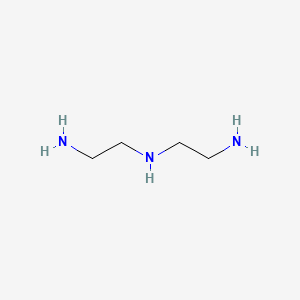
Cure schedules vary with hardener selection: aliphatic polyamines such as DETA cure Epovion BPA-L 17E at room temperature within hours, while polyamide hardeners give longer working time and improved flexibility, and cycloaliphatic or anhydride systems require elevated-temperature post-cure for maximum heat distortion temperature.
Packaging & Logistics
- Packaging: Available in standard industrial packaging, including drums and IBC totes
- MOQ: Subject to packaging type
- Lead time: Indicative lead time, to be confirmed upon order acceptance
- Incoterms: Quoted case by case